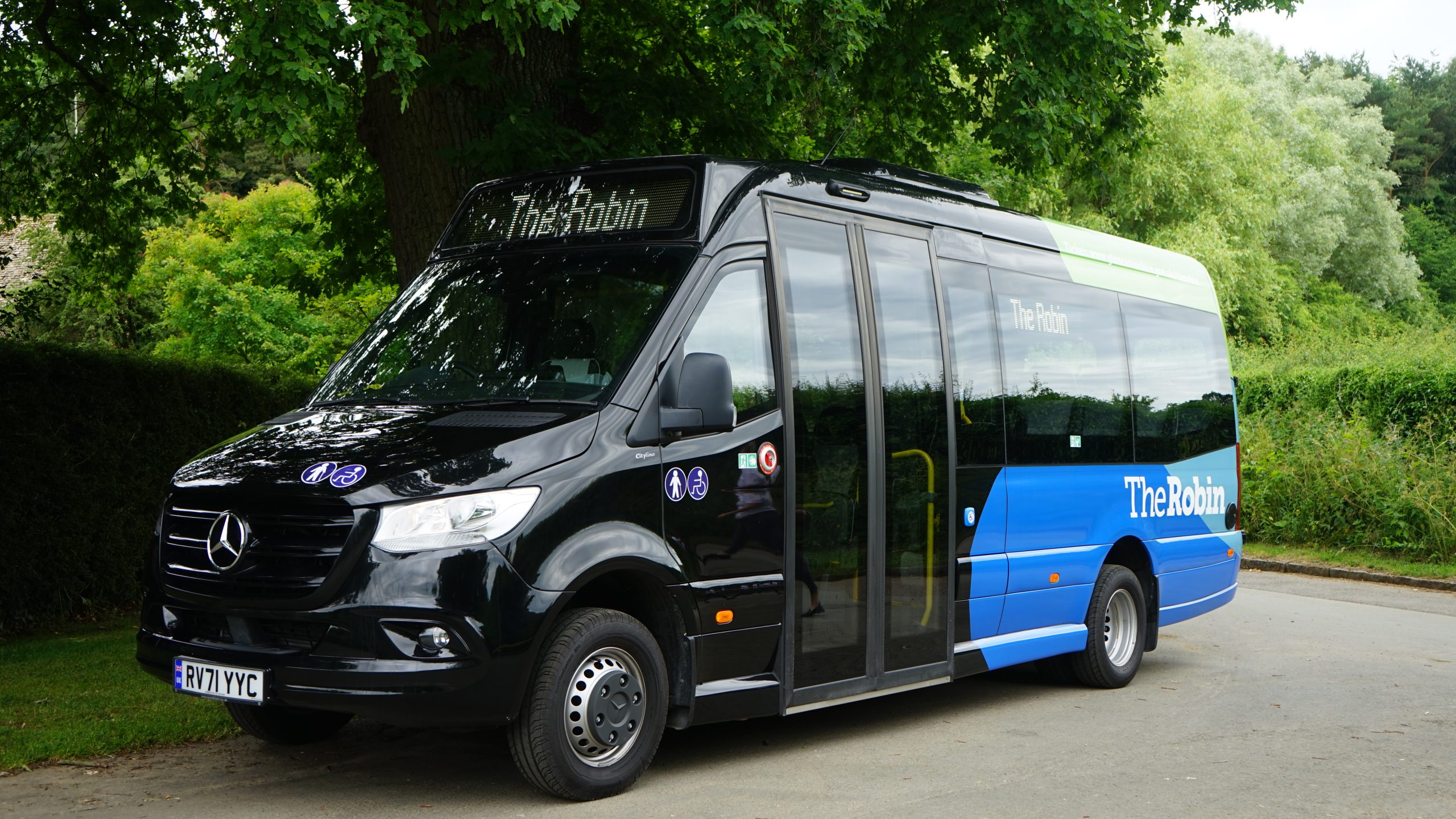
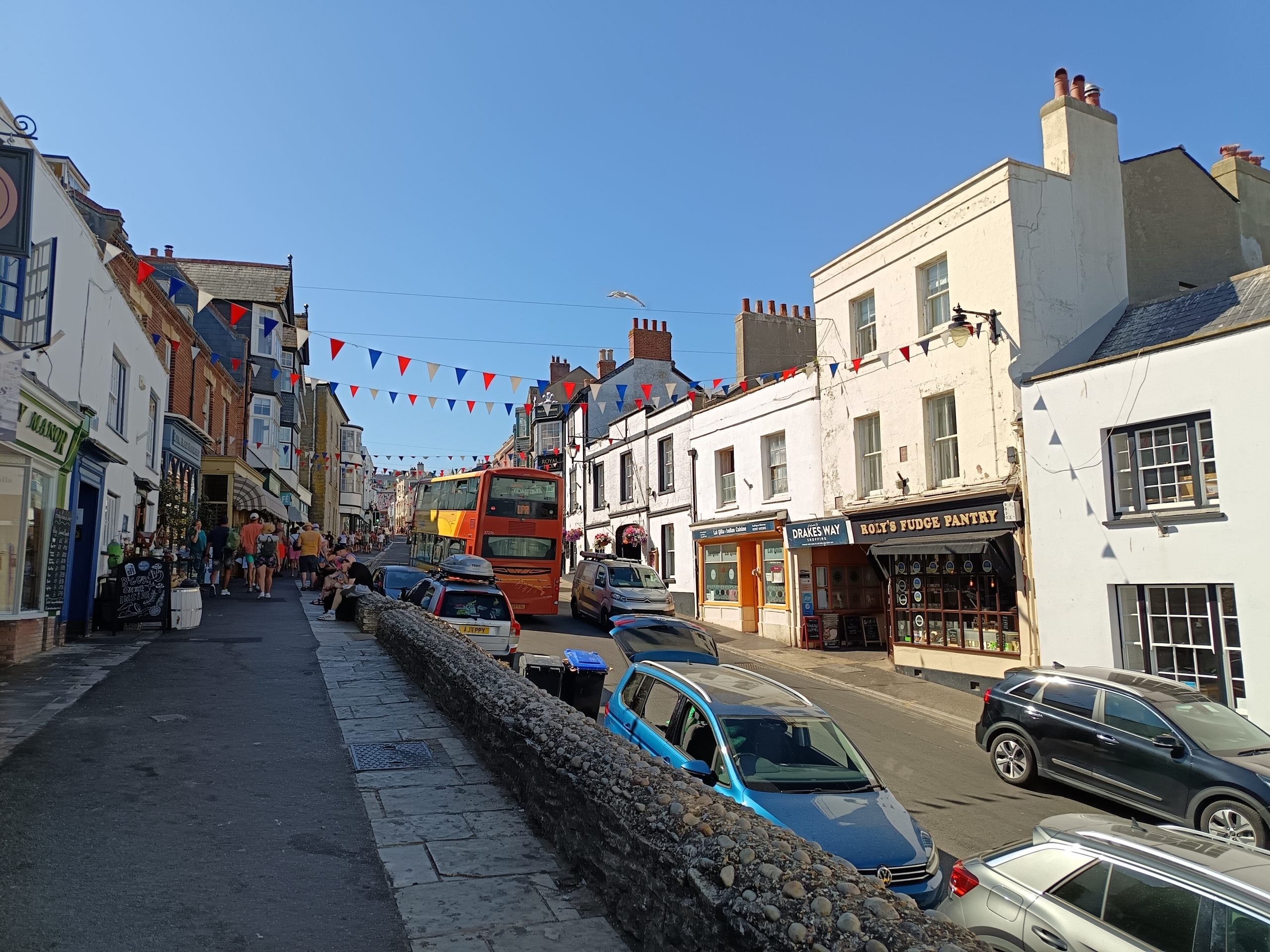
This International Women’s Day (8 March), Western Gateway Sub-national Transport Body is reflecting on how transport can better support women across our region.
This year’s International Women’s Day theme, “Give to Gain,” reminds us that progress comes from investing in others – sharing knowledge, improving access, and creating systems where everyone can thrive. It highlights a simple idea: when we invest in opportunities, safety and inclusion for women, everyone benefits.
Transport plays a vital role in enabling that opportunity. Across the Western Gateway region, including cities such as Bristol, Bath, and Bournemouth, women rely on transport every day to connect with jobs, education, healthcare and family responsibilities.
In transport, “giving” means designing networks that reflect women’s real travel needs: safer journeys, reliable connectivity, and accessible routes that support daily life. Globally, women still face greater barriers across availability, safety, and affordability, all of which shape their opportunities and wellbeing. When these gaps close, communities and economies “gain” through increased participation, mobility, and equality.
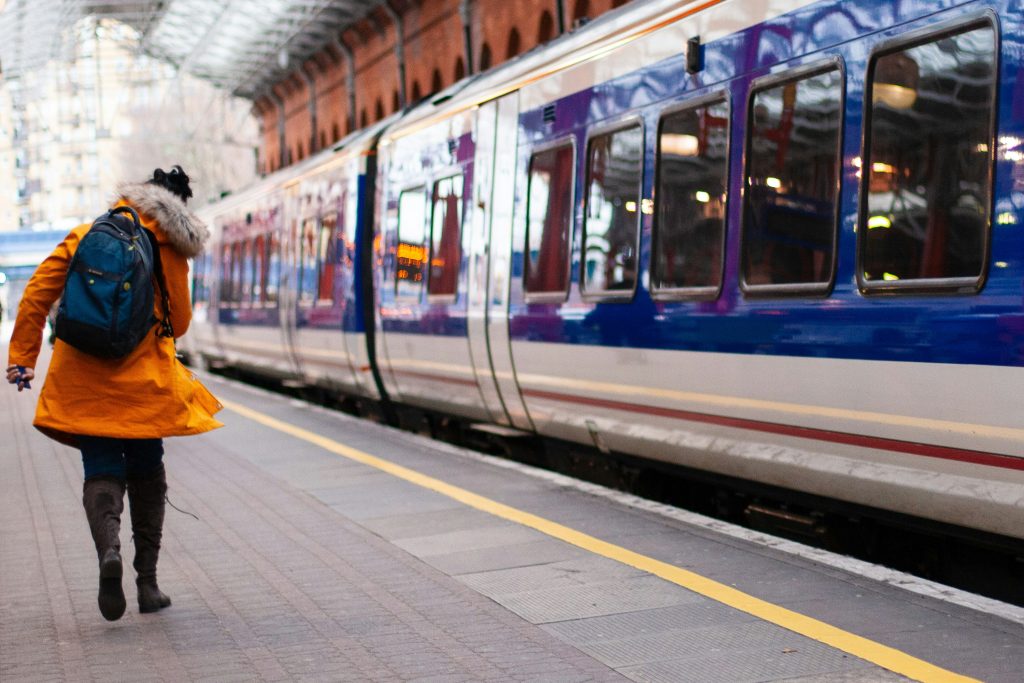
Why women’s transport needs matter
Research consistently shows that women travel differently from men. They are more likely to:
- Make multi-stop journeys (often called “trip-chaining”), combining work, school drop-offs, shopping and caring responsibilities
- Travel outside traditional peak commuting hours
- Rely more heavily on public transport and walking
- Be primary caregivers, shaping travel patterns around family needs
Women are also more likely to experience concerns around personal safety when travelling, particularly in the evening or on less busy routes.
If transport systems are designed primarily around traditional peak-hour commuting patterns, they risk overlooking the realities of how many women move through our region.
Safety, accessibility and confidence
A transport system that works for women is one that feels safe, accessible and reliable at all times of day.
That means:
- Well-lit stations and bus stops
- Clear sightlines and open, welcoming spaces
- Reliable, frequent services beyond peak hours
- Step-free access for parents with pushchairs and those with mobility needs
- Safe walking and cycling routes connecting communities
Safety remains a core concern. Many women adapt their routes or avoid travel altogether due to feeling unsafe, signalling the importance of better lighting, safer interchanges, and whole‑journey approaches. Giving women safer spaces means gaining a more confident, connected region.
Improving the above features doesn’t just benefit women, it benefits older people, disabled people, young people and families. In short, designing for inclusion strengthens the whole network.
For regional bodies such as the Western Gateway STB, these insights underline the importance of cross‑agency collaboration to ensure that safety is embedded not just in the transport network, but in the whole journey chain.
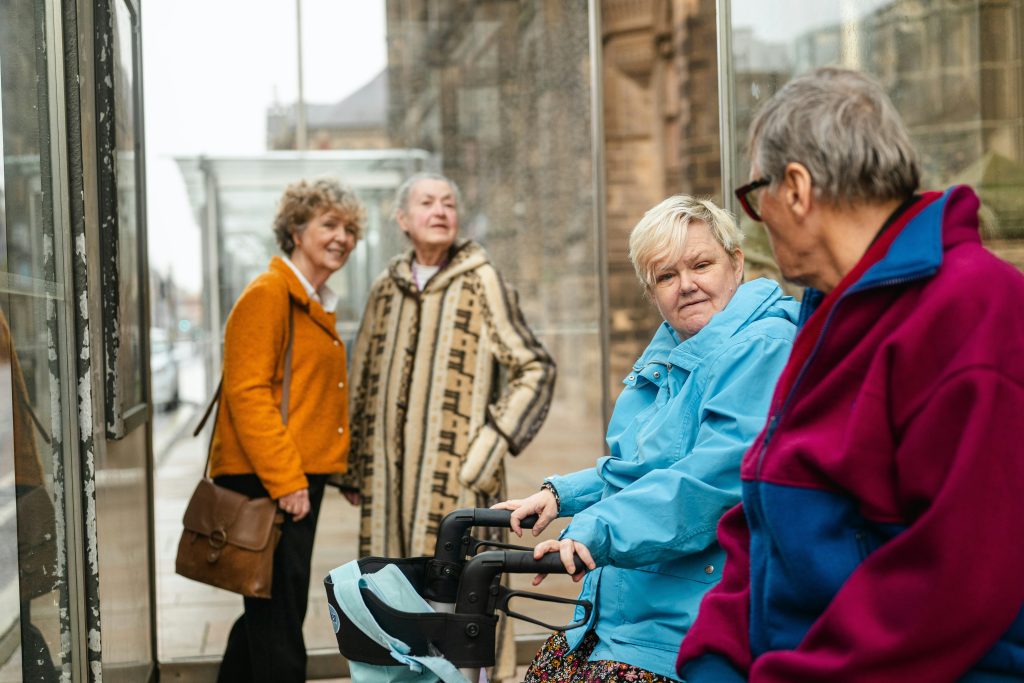
Representation matters: Women in the transport workforce
International Women’s Day is also a moment to recognise the women working across the transport sector, from engineers and planners to bus drivers, rail staff and logistics specialists. Women currently make up only around 12% of the global transport workforce, with most roles concentrated in lower paid administrative and customer facing positions.
Transport has traditionally been male-dominated, but that is changing. For a sector seeking to innovate in future transport planning, this underrepresentation limits perspective, creativity, and talent. International Women’s Day serves as a reminder that gender equality in transport is not just about passengers, but about shaping a workforce that reflects the communities it serves.
A regional commitment to inclusive planning: A Western Gateway Perspective
As a Subnational Transport Body covering one of the UK’s most vibrant and economically diverse regions, the Western Gateway has a central role to play in shaping a transport system where every woman and girl feels safe, included, and empowered to travel. Western Gateway works strategically across local authority boundaries to ensure long-term investment decisions reflect the needs of all communities.
Our regional approach enables us to:
- Identify connectivity gaps that disproportionately affect certain groups
- Support investment in active travel and local transport links
- Advocate for improvements that reflect real travel patterns, not just traditional commuter flows
- Align transport planning with housing, employment and education growth
By embedding equality and inclusion into our transport strategies, we can ensure that the infrastructure delivered today supports a more equitable tomorrow.
International Women’s Day: Looking ahead
This International Women’s Day, we reaffirm our commitment to creating a transport network that supports opportunity, independence and safety for women and girls across the Western Gateway region.
By committing to gender‑inclusive transport, the Western Gateway STB can help build a region that is not only better connected, but fairer, safer, and more prosperous for all.
Because when transport works for women, it works better for everyone.