Freight
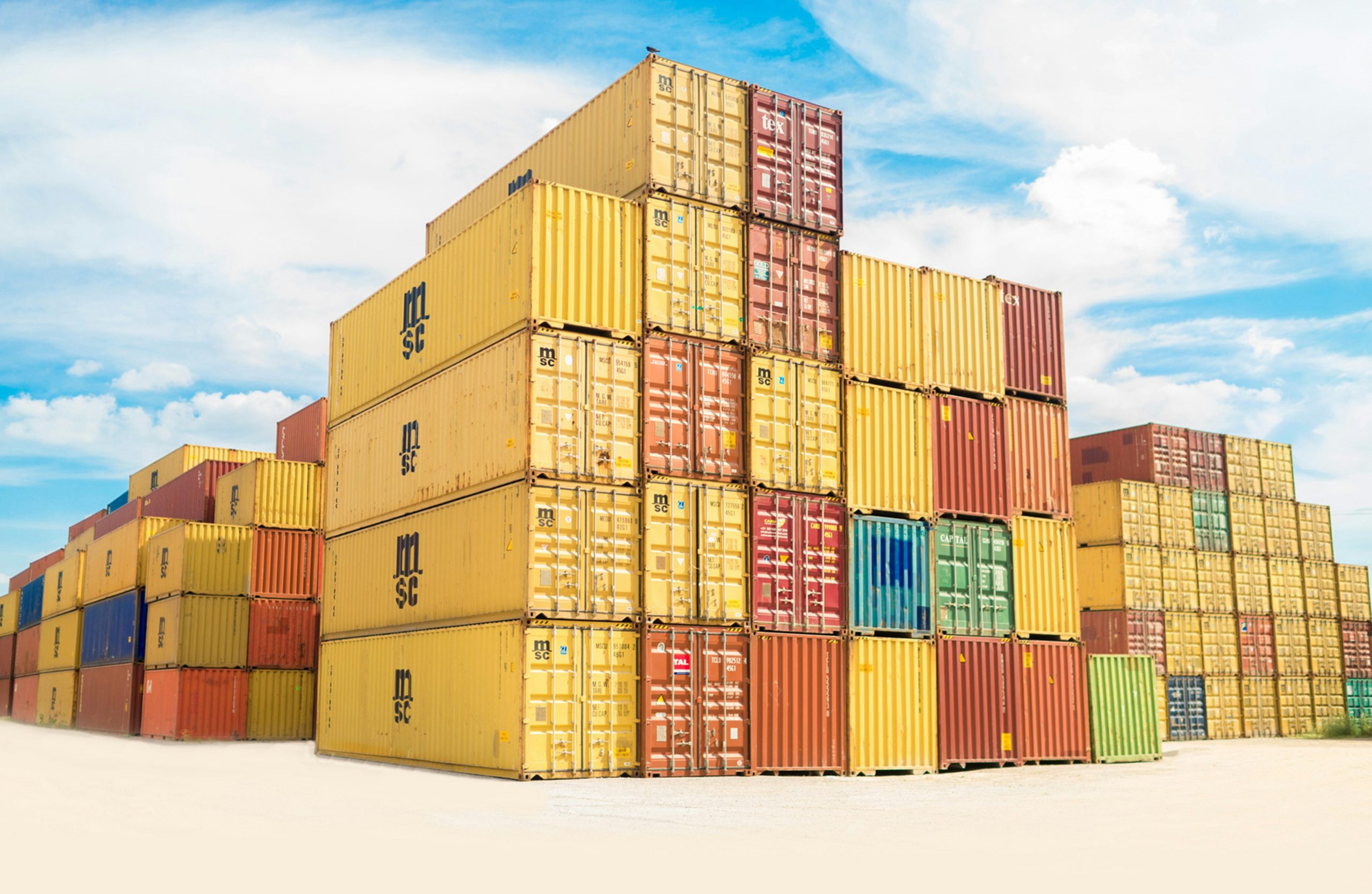
We’re keen to put the weight behind freight. Why? Freight is more than just movement – it keeps our economy, communities, and businesses moving. From delivering essential goods to supporting industries, our region relies on a resilient, efficient, and sustainable freight network.
The South West Freight Strategy is our evidence-based plan for the next 30 years. A joint effort with our neighbouring STB, Peninsula Transport, our strategy tackles the challenges and opportunities of our region – focusing on sustainability, economic growth, and the road to a zero-emission future.
Western Gateway STB and Peninsula Transport
Freight Summary Report: 2024/2025
Western Gateway STB and Peninsula Transport
Our freight strategy
We’re joined forces with fellow STB Peninsula Transport to deliver the first freight strategy for the South West.
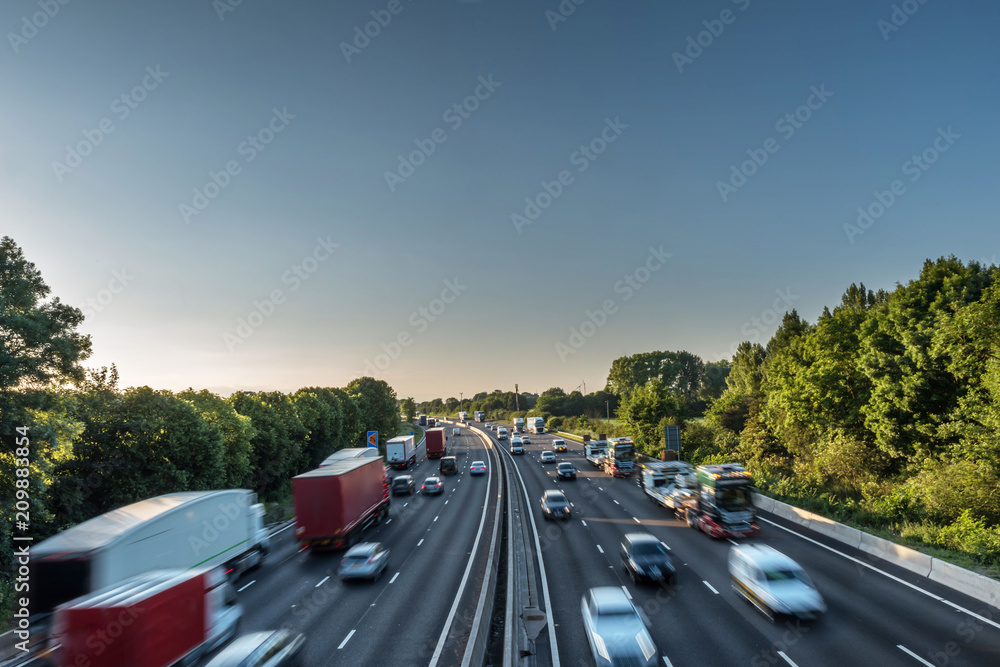
The strategy outlines a 30-year vision for freight, focusing on three key areas: environment, economy, and society.
By improving supply chain resilience, enhancing connectivity, and supporting the transition to a zero-emission transport system, this strategy sets the course for a freight network fit for everyone.
Now is the time to build a future-ready freight system.
Freight forums
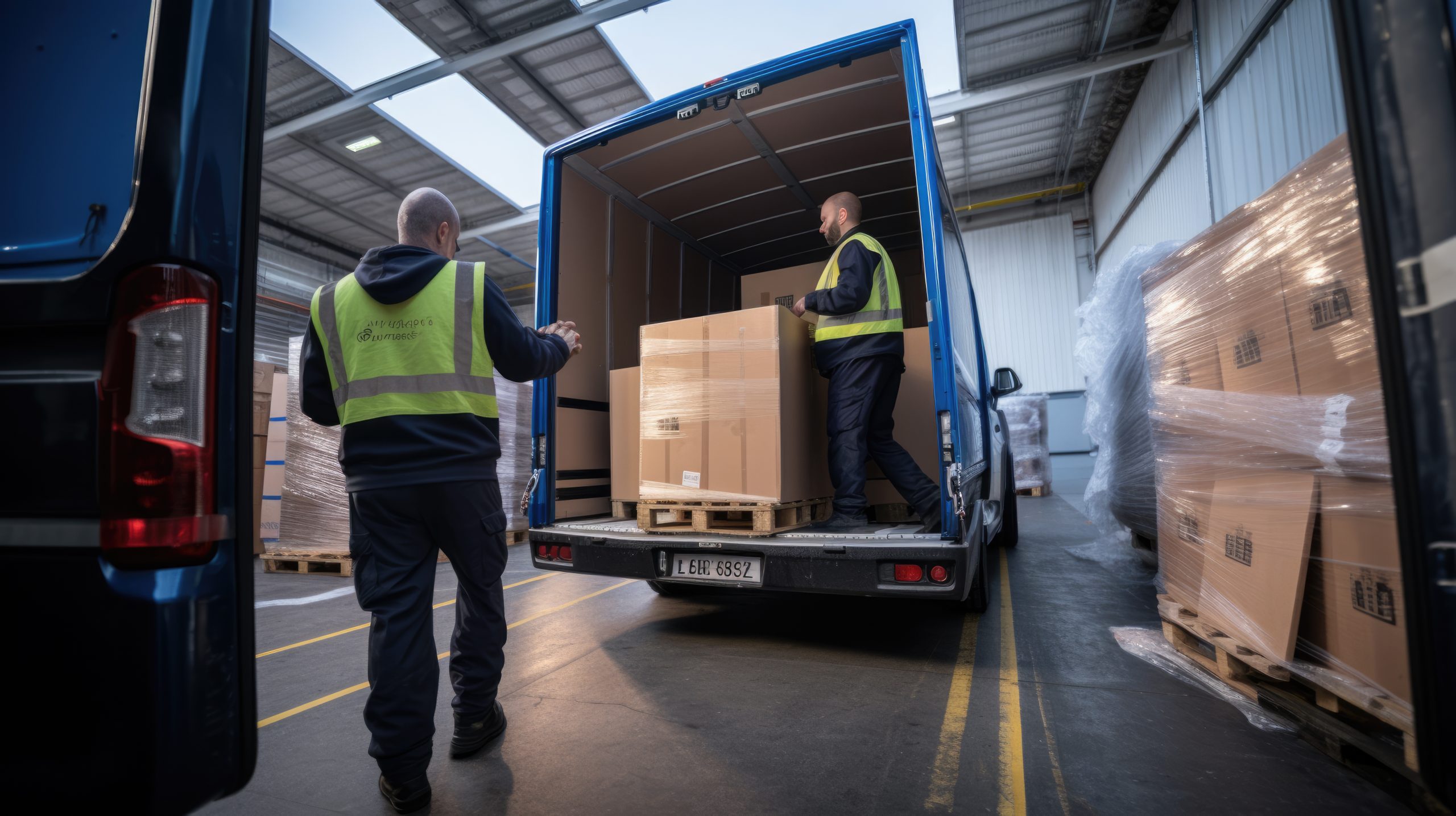
All year round, we team up with Peninsula Transport to host free freight forums – bringing together operators, experts, and enthusiasts to drive the sector forward. These sessions spark collaboration, tackle challenges, and shape the future of freight in the South West.
Avonmouth Rail Freight Terminal (RFT) Study
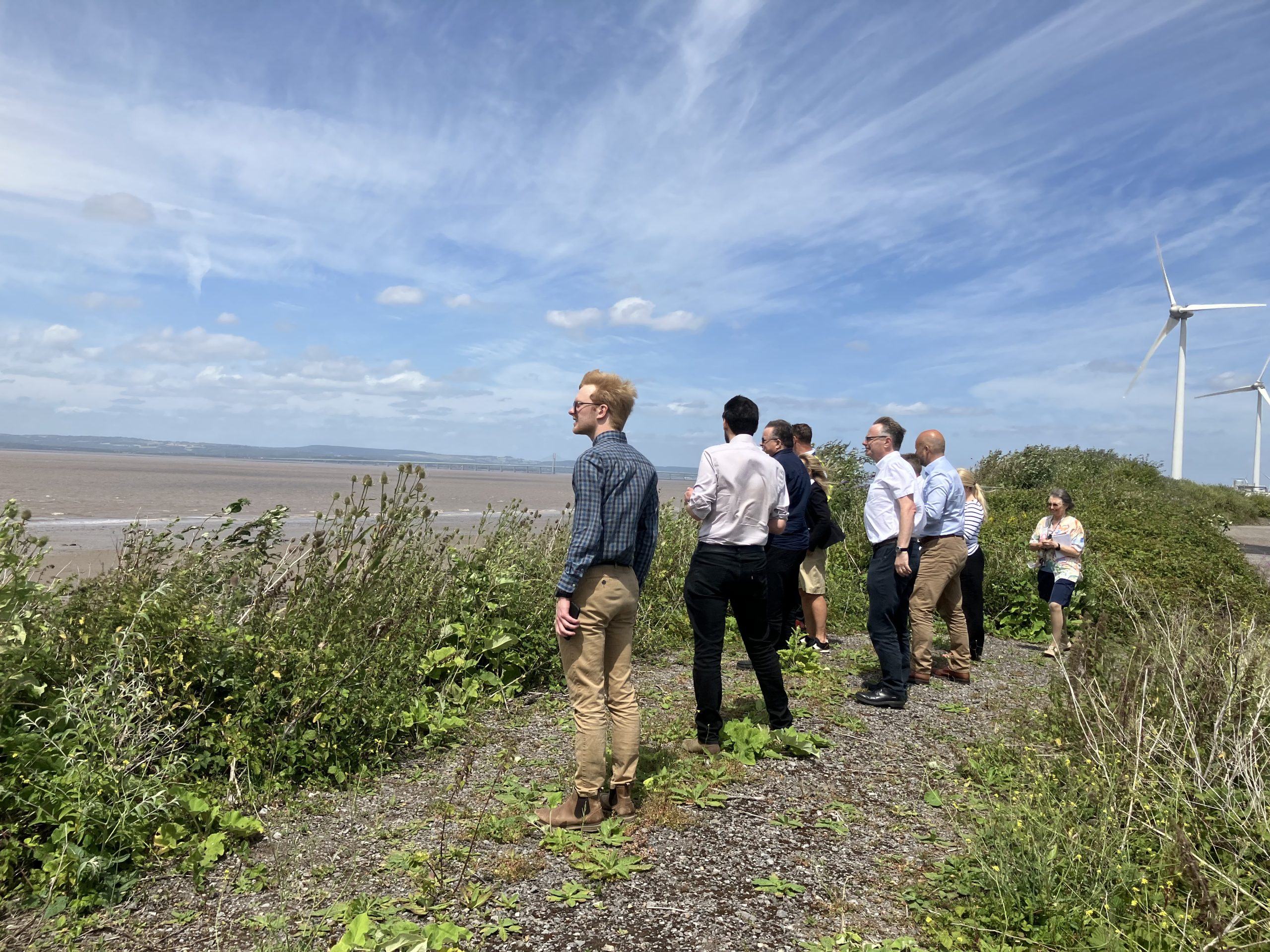
The Avonmouth Rail Freight Terminal (RFT) Feasibility Study is part of the South West Freight Strategy and its 46 interventions. The study explores potential rail freight terminal locations across the Western Gateway region, underscoring the significance of this pivotal project. The study affirms Avonmouth’s strong potential as a strategic RFT, leveraging its established logistics hub, enhanced connectivity through the upcoming East West Rail link, and alignment with national decarbonisation goals. Supported by key stakeholders, the initiative promises to reduce carbon emissions, ease road congestion, and drive economic growth in the South West.
The complete feasibility study, outlining market demand, technical viability, environmental considerations, and economic benefits, is now available below.
Western Gateway STB
Alternative fuels for freight strategy
Our strategy has been jointly developed with Peninsula Transport to identify how best to support the South West’s freight and logistics sector in the uptake of alternative fuels such as hydrogen, gas and electric power.
Factors currently limiting this uptake include a lack of refuelling infrastructure, with 48% of the organisations surveyed reporting their fleet vehicle refuelling is currently carried out using public refuelling stations. Businesses and stakeholders also expressed concern that they may make the wrong decisions, investing large sums of money in technology that may become obsolete and leaving them unconfident in progressing their decarbonisation plans.
Consultants Atkins and Cenex worked with Western Gateway and Peninsula Transport to develop the strategy. Twenty-four freight and logistics clusters have been identified as potential alternative fuel refuelling locations, with 11 based in the Western Gateway area.
Future work
Alternative fuels
ALFFI tool – Alternative fuels for freight infrastructure
Coming out of the Strategy and developed by Midlands Connect Sub-national Transport Body on behalf of all the STBs the ALFFI (Alternative fuels for freight infrastructure) tool identifies where HGV charging and refuelling hubs will be needed in the future. ALFFI is available for all our local authorities to use.
Future work
We were planning to use ALFFI to undertake further work investigating the practicalities around and the business case for delivering alternative fuels refuelling points at shortlisted sites. Unfortunately due to reduced resources for 2026/27 this work has been put on hold. We still hope to be able to work with operators, energy suppliers and local authorities, to ensure the development of a cohesive refuelling network across the region.