It’s Neurodiversity Week, and here at Western Gateway STB, we want to shine a light on why neurodiversity matters.
Neurodiversity is a term that is used to encompass the different ways the mind and brain work. Under this umbrella of neurodiversity sit the terms autism, ADHD, dyslexia and dyspraxia – to name a few. These neurodevelopmental differences can alter how someone may learn, communicate, behave, and experience emotions and sensory information. One in seven people are neurodivergent (Autistica), and invisible differences are often missed. Using public transport can be an incredibly disorientating experience for neurodivergent people, and so it is important that we spread awareness of these challenges and take actionable steps to address them.
Some of the ways in which public transport can let down neurodiverse people include:
- A lack of consistency in services – unpredictability can be especially difficult for people who are neurodivergent
- Information and communication – lack of clear communication and not having a one-stop shop of information can make it challenging for neurodivergent people to plan ahead or deal with unpredictability
- The design and physical infrastructure of buildings can heighten overwhelm and stress due to neurodivergent people being highly sensitive to sensory inputs such as temperature changes, lights and sounds. Autistic individuals in particular can suffer from gastro-intestinal issues, so having access to public toilets is important. Health anxiety is often high in neurodivergent individuals, so cleanliness of public transport is imperative
- Navigation – a lack of integrated transport modes, combined with poor wayfinding. Transport for All research found that ‘interchanging and making connections’ was the most difficult part of the journey for disabled people
How can we address these transport challenges?
Design and physical infrastructure
We can work to minimise crowds by manging the flow of people, and by providing more space in waiting areas, with designated quiet and temperature-controlled areas with low lighting. GWR have created a series of videos for many stations, which include many stations in our region like Cheltenham Spa and Westbury, to help neurodivergent people know what to expect and navigate a space before arrival.
Sensory
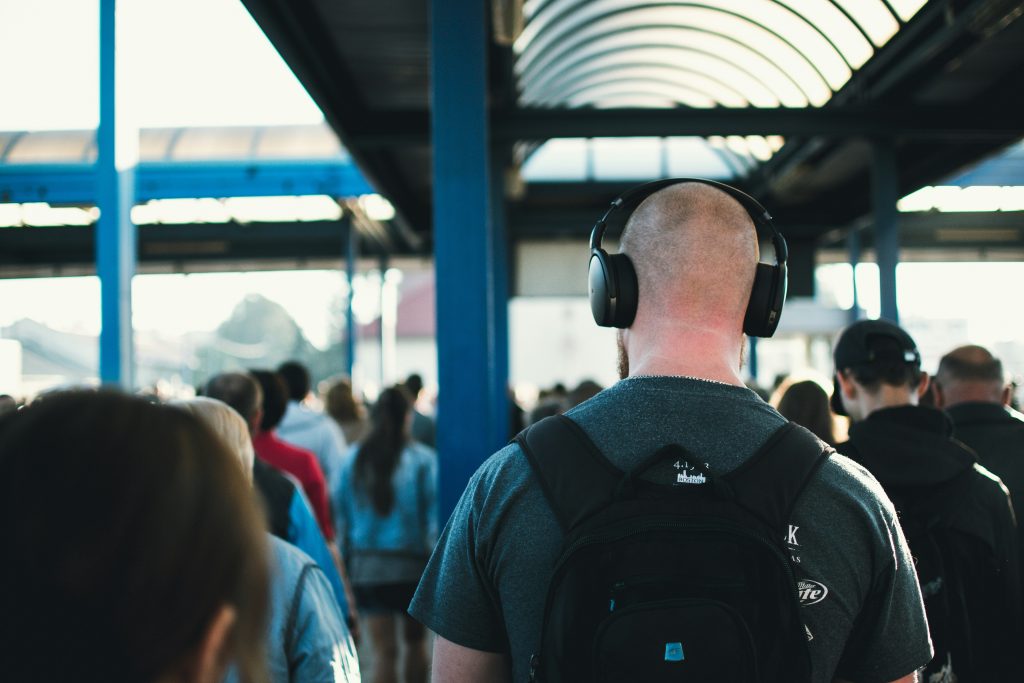
Neurodivergent people can be highly attuned to sensory input. Having quiet spaces on public transport can help reduce stress and anxiety. Train stations and bus stations need to be hospitable environments. GWR have ear-defenders available at some manned stations. They also have a passenger assist scheme where help can be pre-booked in advance. GWR have also produced a series of videos to help autistic people know what sounds to expect at train stations.
Transport information
Provision of real-time, accurate information at stations, bus stops and airports, as well as consistent WiFi can help people plan for unpredictable changes. Providing reliable digital means of finding out information, rather than purely relying on finding a member of staff or other formats like announcments and posters, which may be overwhelming can really help. WEST, the public transport providers in our region, have created a video in Easy Read format that explains how to catch a bus.
Increasing staff awareness around the challenges neurodivergent people face will make a huge difference. Having them promote a non-judgemental stance, and also help enforce rules such as no-smoking policies and quiet areas will help increase comfort levels when making journeys.
A report published by Autistica in May 2025 found that 60% of neurotypical people regularly drive, compared to 39% of neurodivergent people, due to overwhelm using public transport. It’s more important than ever that we have the awareness and take action to make transport accessible and inclusive for everyone.