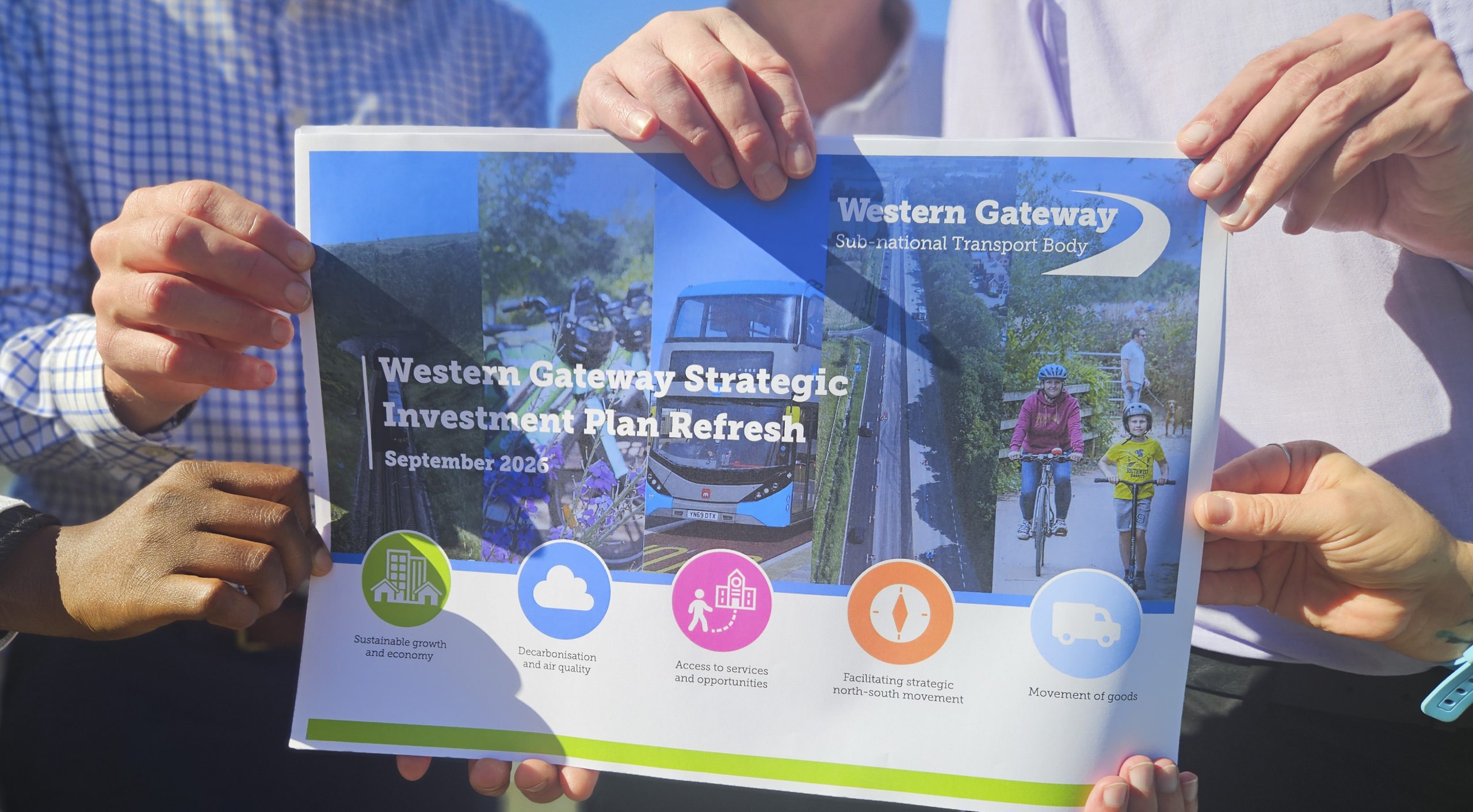
Lyme Regis LB1 pilot visit and South Dorset Rural Mobility Pilot/A35 site visit
Thursday 13 – Friday 14 August 2026
“Visiting projects on the ground gives us a much better understanding of what works in practice. From the LB1 service in Lyme Regis to the strategic challenges along the A35, the visit showed the importance of combining local insight with longer-term regional transport planning.”
Two days of learning, partnership and on-the-ground insight
Some of the Western Gateway Sub-national Transport Body (STB) team recently spent two days in Dorset, meeting local delivery partners, experiencing a rural and coastal bus corridor first-hand, and visiting key locations along the A35 around Dorchester. The visit provided an opportunity to connect the practical experience of local transport projects with wider strategic priorities being developed through the Western Gateway’s Rural Mobility Pilot Programme and Strategic Investment Plan (SIP).
Day 1 – Lyme Regis: seeing rural mobility in action
The first day focused on the LB1 pilot in Lyme Regis, a new evening shuttle designed to improve local connectivity. The team met with Lyme Regis Town Council and delivery partners to hear about progress, early passenger use, customer feedback and the practical challenges of operating the service.
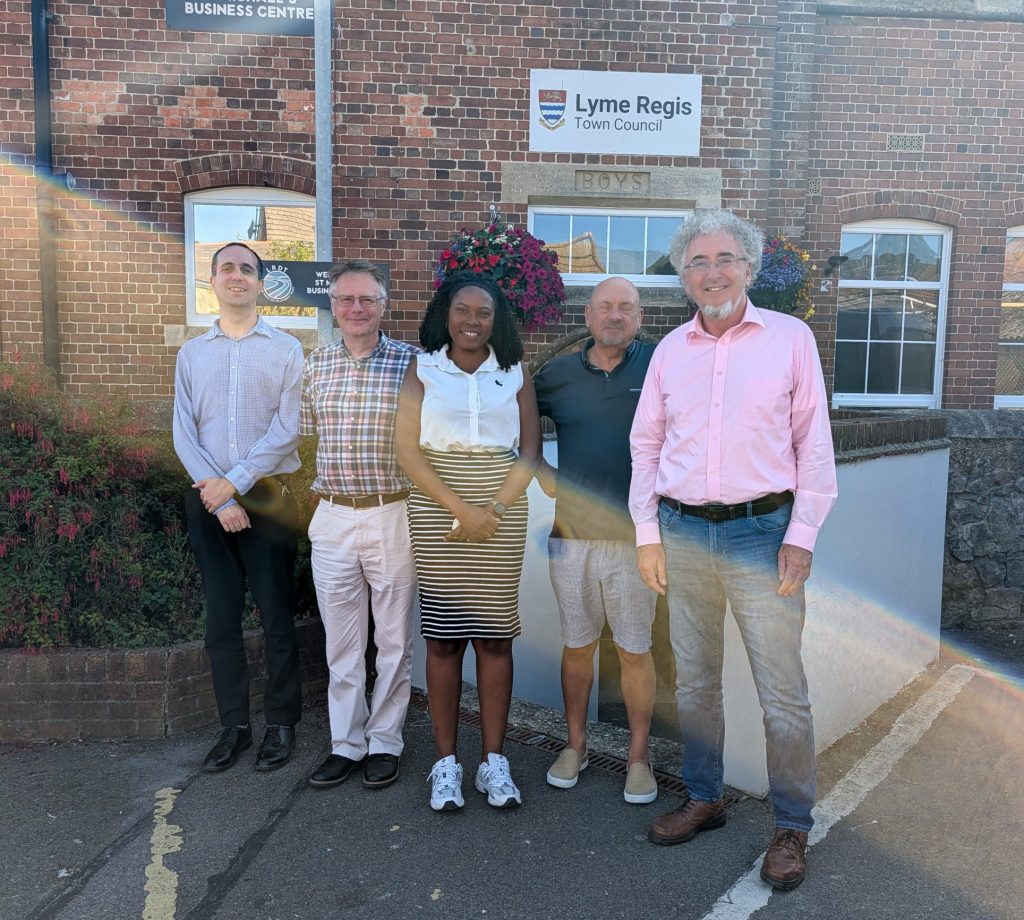
The route also highlighted why reliable evening transport can be particularly important in rural and coastal communities, where alternatives can be limited. The delivery team at Lyme Regis explained that the LB1 has remained popular, including among younger passengers, despite disruption caused by planned and ongoing road closures on some days.
The visit provided an opportunity to discuss the realities of delivering a pilot: passenger data and customer feedback, communications, funding drawdown, the project plan, future operating arrangements and the potential need for market testing if the service continues. The experience reinforced the importance of designing rural mobility services around real local demand while recognising the operational constraints of the places in which they run.
Riding along the LB1 corridor
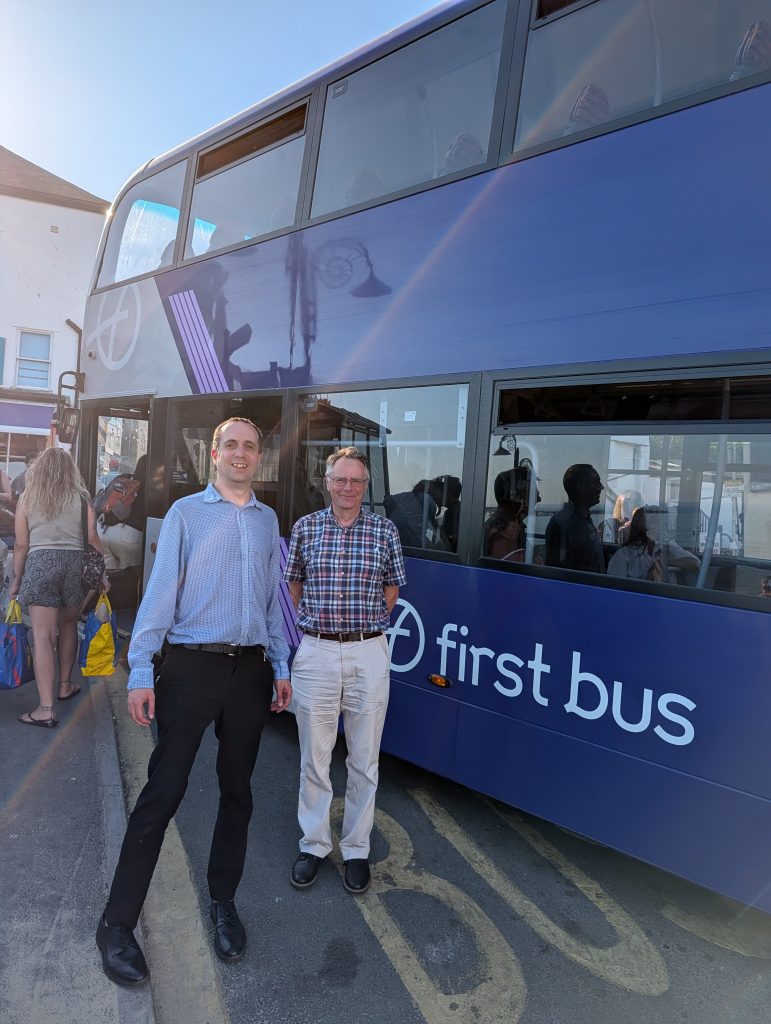
The LB1 operates on Friday and Saturday evenings. As the visit took place on a Thursday, the team could not travel on the LB1 itself. Instead, we used the First Bus X51/X53 service to experience the same route and wider operating environment first-hand. This gave the team a useful perspective on the geography, stops, journey conditions and connections between Lyme Regis and Bridport.
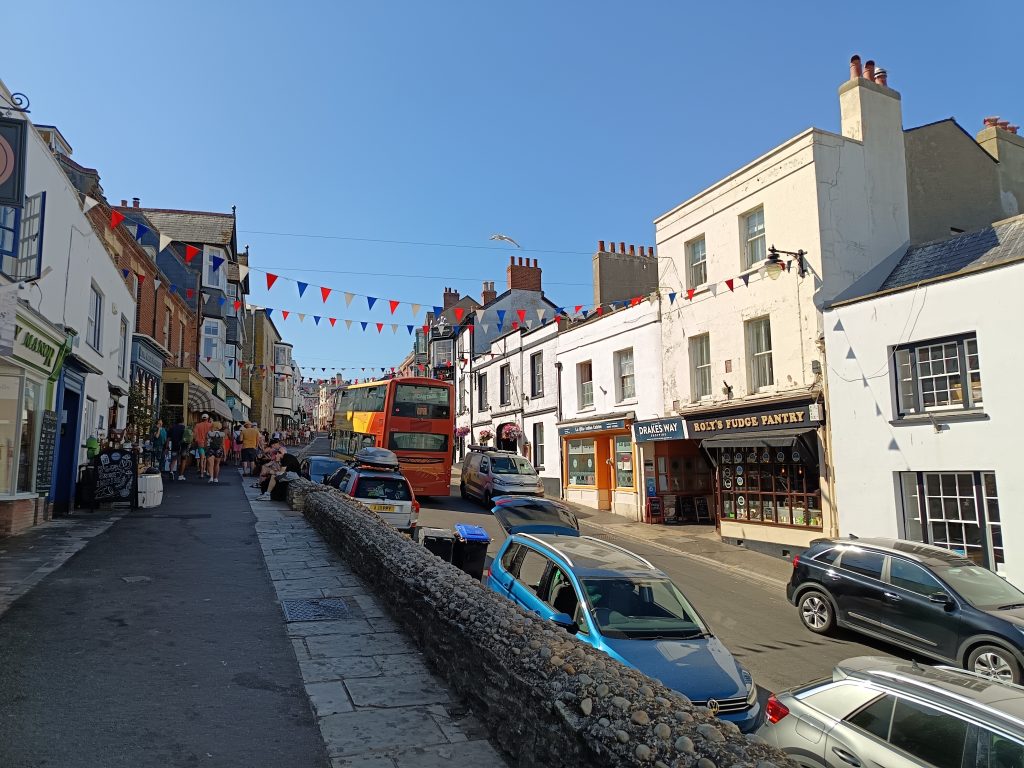
A short visit to Bridport allowed us to assess the bus station facilities available at these locations, including the real time information and paper timetables that were available.
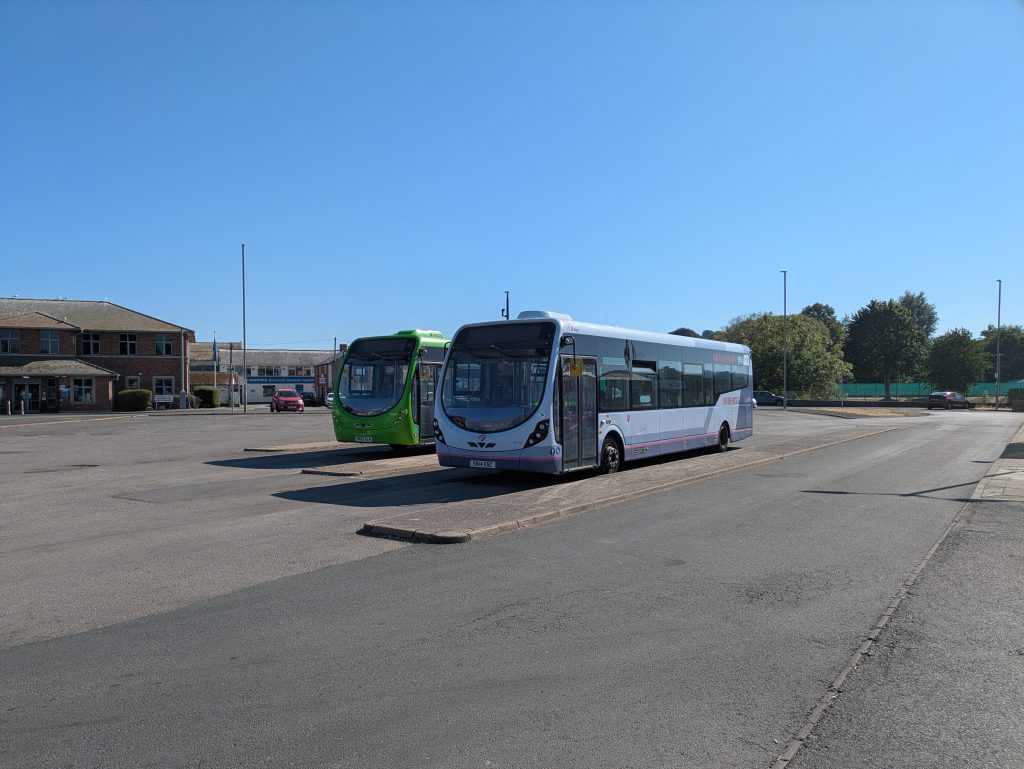
At the time of the site visit there was roadworks on the A35 at Bridport, to construct a roundabout for a new housing estate being built. Overnight road closures at this point were one of the challenges the LB1 services was currently facing, leading to long-diversions or the service not able to operate.
However, the X53 bus service returning back to Lyme Regis, although diverted by the roadworks, made it back in approximately 40 minutes from Bridport.
Day 2 – Dorchester: rural mobility, SIP priorities and the A35
On Friday, the team travelled to Dorset Council’s offices in Dorchester to meet Owen Clark and colleagues to discuss the South Dorset rural mobility work and the emerging Strategic Investment Plan schemes. Discussions explored how Dorset is responding to rural travel needs, access to employment and services, tourism and the coast, and the role of bus and community-led transport in supporting sustainable travel.
A key message was that infrastructure alone is not enough. Reliable services, appropriate operating hours, clear information, effective communication and behaviour change all play a role in making sustainable travel a realistic and attractive choice for residents and visitors.
The discussions also covered how local experience is shaping future investment. Dorset is using bus grant funding to support electrification of coastal routes, increase frequency on important corridors and strengthen community-led services. These interventions demonstrate how local schemes can build a stronger foundation for future funding and investment.
On site along the A35 Dorchester corridor
The afternoon included a short site visit to key junctions along the Dorchester bypass and A35 corridor. The A35 is a critical link for everyday journeys, economic activity and future growth, but the network is already experiencing congestion, safety and capacity pressures.
The team visited locations including Max Gate Junction, Stinsford Roundabout, Stadium Roundabout and Monkey’s Jump Roundabout, helping to put the strategic discussions into a real-world context. The visit highlighted the challenge of balancing immediate problems with the need to plan infrastructure that can support housing and economic growth over the longer term.
Dorset colleagues are exploring both shorter-term local improvement opportunities and wider strategic work with National Highways. The discussions emphasized the importance of avoiding short-term interventions that could quickly become insufficient as development progresses, and of ensuring that local schemes contribute to a coherent long-term corridor strategy.
Planning for growth and planning for all modes
The A35 visit also demonstrated why transport investment needs to be considered alongside housing, employment and economic growth. Significant development is planned around North Dorchester and Crossways, which will generate additional travel between Dorchester, Weymouth and surrounding communities.
The visit reinforced the need for an all-modes approach. Highway improvements have an important role, but future growth will also need reliable bus services, effective rail connections and good walking and cycling links. The aim is not simply to move more traffic, but to create a transport system that supports communities, businesses and sustainable economic growth.
What we are taking away
- Local insight matters: understanding how schemes work on the ground is essential to developing effective regional transport policy.
- Rural and coastal mobility needs flexible solutions: services such as LB1 can address specific gaps that conventional networks may not fully meet.
- Operational resilience matters: road closures, network constraints and operator availability can have a significant impact on pilot delivery.
- Evidence and customer experience are essential: passenger data, feedback and direct observation help test whether a service meets a genuine need.
- Transport and growth need to be planned together: the A35 experience shows the importance of aligning infrastructure, housing, employment and sustainable transport.
- Partnership working is critical: continued collaboration between councils, communities, operators, National Highways and regional bodies will be important in turning local priorities into deliverable investment.
Continuing the conversation
The two-day visit underlined the value of Western Gateway working closely with local authorities and delivery partners to understand the challenges and opportunities facing different parts of the region. The learning from Lyme Regis and Dorset will help inform ongoing rural mobility work, the emerging SIP and wider discussions about future transport investment across the Western Gateway region.
We would like to thank our colleagues at Lyme Regis Town Council and Dorset Council for their time, hospitality and valuable contributions throughout the visit, and for sharing their experiences and insights with us. We look forward to continuing to work together as these projects and wider transport priorities develop.